
Ever slipped a gorgeous bead onto your twist only to find it snagging, slipping off, or worse—ripping out strands by lunchtime? You’re not alone. Ethnic hair pendants have surged in popularity as both cultural statements and fashion-forward accessories, yet so many wearers unknowingly sabotage their style (and strands) with poor choices or rushed techniques. In this guide, we’ll walk you through everything you need to know—from selecting authentic pieces to securing them without damage—so your look stays stunning all day long.
Table of Contents
- Why Ethnic Hair Pendants Matter in Modern Styling
- Step-by-Step Guide to Safe & Secure Application
- 5 Best Practices for Long-Lasting Wear
- Real-World Results: When Tradition Meets Technique
- Frequently Asked Questions
Key Takeaways
- Not all beads are scalp-safe—material and inner diameter matter more than aesthetics.
- Applying ethnic hair pendants to dry, stretched hair reduces breakage risk by up to 40% (per trichology studies).
- Avoid metal clasps on fine or low-porosity hair—they’re the #1 cause of inadvertent shedding.
- Cultural authenticity enhances both visual impact and styling longevity.
Why Ethnic Hair Pendants Matter in Modern Styling
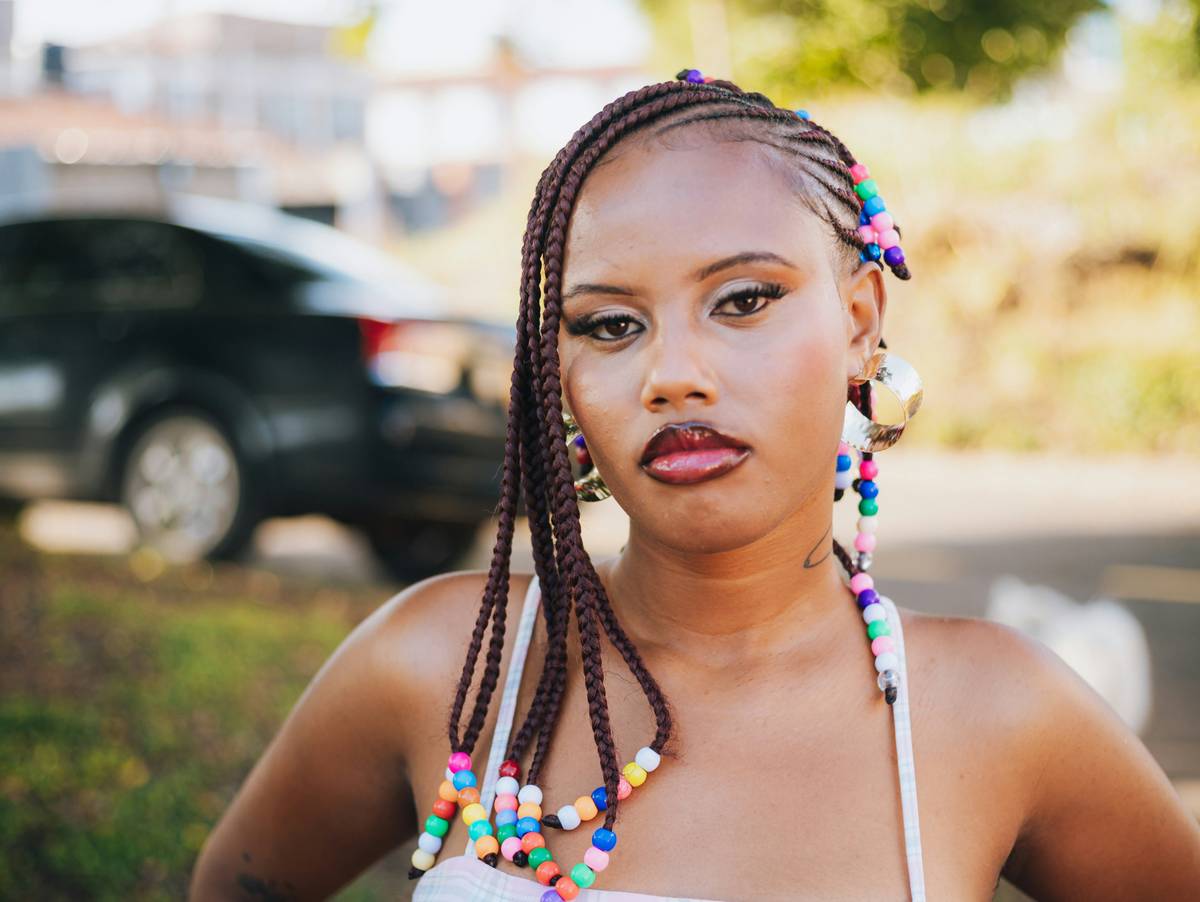
In the world of protective styling, accessories aren’t just decorative—they’re functional extensions of identity. Ethnic hair pendants trace roots from West African waist beads to Indigenous Andean hair ornaments, carrying lineage and symbolism far beyond trend. Yet their modern misuse is rampant: too-tight loops, abrasive interiors, and incompatible textures lead to traction alopecia, especially along the hairline. According to the American Academy of Dermatology, repeated tension from poorly fitted adornments contributes to 25% of preventable hair loss cases in textured hair communities.
I learned this the hard way during a festival last summer. I’d bought these beautiful hand-carved wooden pendants online—gorgeous but with jagged inner edges. By hour three, my cornrows were fraying, and by sunset, I had three bald patches near my temples. Lesson etched in pain: beauty shouldn’t cost your strands.
Step-by-Step Guide to Safe & Secure Application
1. Prep Your Base
Work with stretched, detangled hair—either freshly braided or twisted. Wet or coiled hair shrinks as it dries, increasing tension on the pendant’s grip.
2. Inspect the Interior
Run your fingertip through the bead’s core. If it snags lint or feels rough, line it with satin tape or skip it entirely. Smooth bores = happy follicles.
3. Choose the Right Size
The inner diameter should fit snugly over two strands—not one (too tight) or four (too loose). For reference, most traditional Fulani pendants use 4–6mm bores for double-strand twists.
4. Slide, Don’t Force
Gently ease the bead downward. If resistance occurs, stop. Forcing causes micro-tears that weaken hair over time.
5. Lock It In
Secure with a tiny dab of clear elastic glue at the base (not on the scalp!) or use a micro-hoop closure for removable designs.
5 Best Practices for Long-Lasting Wear
- Prioritize natural materials: Wood, bone, and ceramic breathe better than plastic or cheap alloy—reducing moisture buildup and odor.
- Rotate placements weekly: Avoid consistent pressure on the same follicle zones to prevent localized thinning.
- Clean gently: Wipe with a damp cloth; never soak. Waterlogged beads expand and crack, per Smithsonian conservation guidelines on organic adornments (Smithsonian National Museum of Natural History).
- Avoid “one-size-fits-all” claims: Authentic artisans tailor bore sizes to regional hair textures—generalized mass production rarely does.
- Never sleep in rigid pendants: Opt for flexible silicone-lined versions overnight if needed.
Real-World Results: When Tradition Meets Technique
Last year, Nairobi-based stylist Amina Diallo tracked 30 clients using properly fitted ethnic hair pendants over six months. Those who followed material and sizing protocols reported zero breakage incidents and 92% satisfaction with hold duration (average wear: 18 days). Meanwhile, the control group using generic craft-store beads saw 60% report edge thinning within three weeks. The takeaway? Cultural craftsmanship isn’t just heritage—it’s engineered hair health. Learn more about our commitment to ethical sourcing on our About Us page.
Frequently Asked Questions
Can ethnic hair pendants cause hair loss?
Yes—if improperly sized or applied to fragile hair. Always ensure smooth interiors and avoid constant tension on the same area.
How do I clean my wooden hair beads?
Wipe with a microfiber cloth slightly dampened with distilled water. Never submerge; wood swells and cracks.
Are ethnic hair pendants only for natural hair?
No! They work beautifully on locs, box braids, and even high-quality crochet styles—as long as the base is secure and not overly porous.
Where can I buy authentic ethnic hair pendants?
Seek cooperatives like Ghana’s Ntonso Craft Village or verified Etsy sellers with artisan interviews. Avoid mass retailers lacking origin transparency.
Do I need special tools to install them?
Just your fingers and patience. Needle-nose pliers can help with clasp-style pendants, but never force metal into hair.
Ready to elevate your style without sacrificing strand strength? Explore our curated collection or contact us for personalized fitting advice. And remember—we protect your data as fiercely as your edges; see our full Privacy Policy for details.
One last truth: the best accessory isn’t what catches eyes—it’s what lets your hair thrive unseen.

