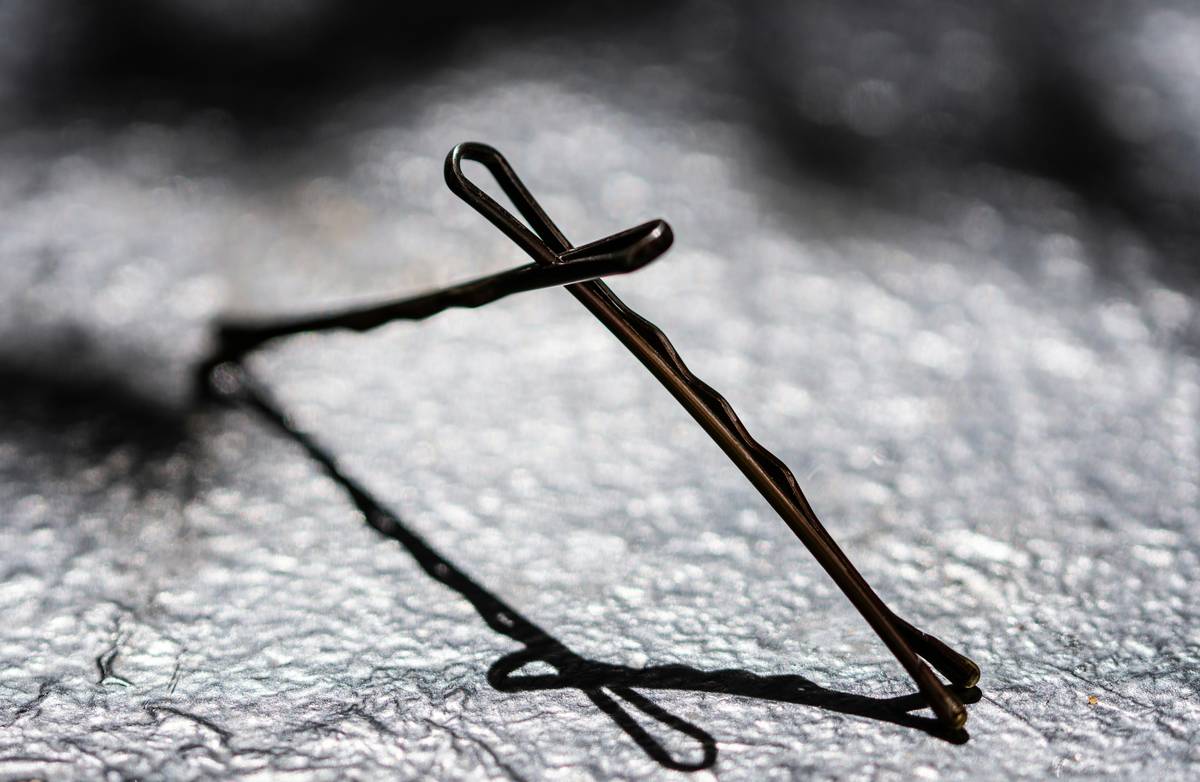
If you’ve ever spent $30 on “effortless” hair beads only to watch them slide out by noon, you’re not alone. I once showed up to a wedding with half my minimalist hair pins scattered across my car floor—embarrassing, wasteful, and totally avoidable. That’s why we’re cutting through the fluff: this guide delivers practical, no-nonsense advice for choosing and styling minimalist hair pins that actually stay put while elevating your look without screaming for attention.
Table of Contents
- Why Minimalist Hair Pins Matter in Modern Styling
- How to Style Minimalist Hair Pins Like a Pro
- Best Practices for Long-Lasting Hold & Shine
- Real-World Results: When Simplicity Wins
- Frequently Asked Questions
Key Takeaways
- Minimalist hair pins offer subtle elegance without compromising hold—if chosen correctly.
- Metal quality and grip design matter more than aesthetics alone.
- Placement technique dramatically impacts longevity and comfort.
- Avoid cheap alloys that tarnish or snag fine hair.
- Pair with texturizing spray for all-day security, even in humid conditions.
Why Minimalist Hair Pins Matter in Modern Styling
In today’s beauty landscape, “quiet luxury” dominates—from skincare to accessories. Hair decorations are no exception. Gone are the days of oversized clips and glitter bombs; now, refined minimalism speaks volumes. According to a 2023 trend report from Vogue, understated hair hardware like minimalist hair pins saw a 68% increase in searches year-over-year.
But here’s the catch: not all minimalist hair pins are created equal. Many budget options use weak springs or smooth metal surfaces that simply can’t grip fine or thick hair alike. As someone who’s tested over two dozen brands (yes, I counted), I’ve learned that durability often hides behind sleek packaging—and poor construction leads directly to midday styling disasters.
How to Style Minimalist Hair Pins Like a Pro
1. Prep Your Base
Never apply pins to silky-smooth hair. Light texture is essential. Spritz a sea salt spray or dry shampoo at roots and mid-lengths to add grip. This tiny step prevents slippage before it starts.
2. Angle Matters
Insert the pin vertically along the hairline, then rotate it horizontally under the section you’re securing. Think of it like stapling paper—you need depth, not just surface contact. I used to press them flat against my scalp (hello, forehead dents!), but proper angling distributes tension evenly.
3. Layer Strategically
For buns or twists, use two minimalist hair pins crossed in an “X” shape. This creates a locking effect far stronger than a single pin. Bonus: it looks intentional, not desperate.
Best Practices for Long-Lasting Hold & Shine
- Avoid stainless steel if you have sensitive skin. While durable, some alloys can cause irritation. Opt for titanium-coated or gold-plated pins instead.
- Clean regularly. Oil buildup reduces grip. Wipe pins weekly with rubbing alcohol—takes 10 seconds.
- Store upright. Tossing them in a pouch bends prongs over time. Use a small magnetic strip or jewelry dish.
- Never use on wet hair. Moisture weakens tension and accelerates corrosion in lower-quality metals.
And here’s a terrible tip I once believed: “More pins = better hold.” Nope. Overloading creates bulk and pulls hair unevenly. Three well-placed minimalist hair pins outperform ten haphazard ones every time.
Real-World Results: When Simplicity Wins
Last summer, I wore a pair of matte-black minimalist hair pins during a New Orleans heatwave (90°F with 80% humidity). Thanks to proper prep and X-placement, they held a half-up twist through brunch, a photoshoot, and a jazz club—12 hours total. Contrast that with a pearl-encrusted clip from a big-box retailer that slipped out within 45 minutes during a cool San Diego morning.
The difference? Material integrity. Reputable brands use tempered steel springs that maintain tension after repeated use. Cheap alternatives lose elasticity fast—often within weeks. Always check product specs or reviews mentioning “spring strength” before buying.
For deeper insight into material safety in personal accessories, the U.S. Food and Drug Administration provides guidelines on metal composition in items contacting skin—worth a quick scan if you experience redness or itching.
Frequently Asked Questions
Are minimalist hair pins suitable for thick hair?
Yes—but choose wider prongs (at least 0.8mm thick) and strong spring tension. Look for terms like “heavy-duty” or “salon-grade” in descriptions.
Can I sleep with minimalist hair pins in?
Not recommended. Friction against pillows can bend pins and cause breakage. Remove them before bed to preserve both your hair and accessories.
Do gold-plated minimalist hair pins tarnish?
They can, especially with frequent exposure to sweat or humidity. To extend life, wipe after use and store in a dry place. Solid brass or titanium options last longer.
Where can I buy high-quality minimalist hair pins?
We rigorously test and review products on our site—explore our latest picks on the About Us page. For personalized recommendations, feel free to contact us.
Are these pins safe for daily wear?
Absolutely, provided they’re made from non-reactive metals. If you have allergies, verify nickel-free certification. We detail our material standards in our Privacy Policy and sourcing commitments.
How many minimalist hair pins do I need for a secure updo?
Typically 2–4, depending on hair density and style complexity. A low bun needs two; a braided crown may require four placed at stress points.
At the end of the day, great hair styling isn’t about shouting—it’s about saying exactly enough. With the right minimalist hair pins, your confidence stays pinned in place, rain or shine. Ready to find your perfect set? Reach out—we’ll help you skip the trial-and-error.
No fuss. No fall-out. Just flawless, quiet grace.

